Set construction in theatre is complex and requires precision, efficiency, and above all, safety. Theatre…
Why Proper Training is Essential for Anyone Working at Height
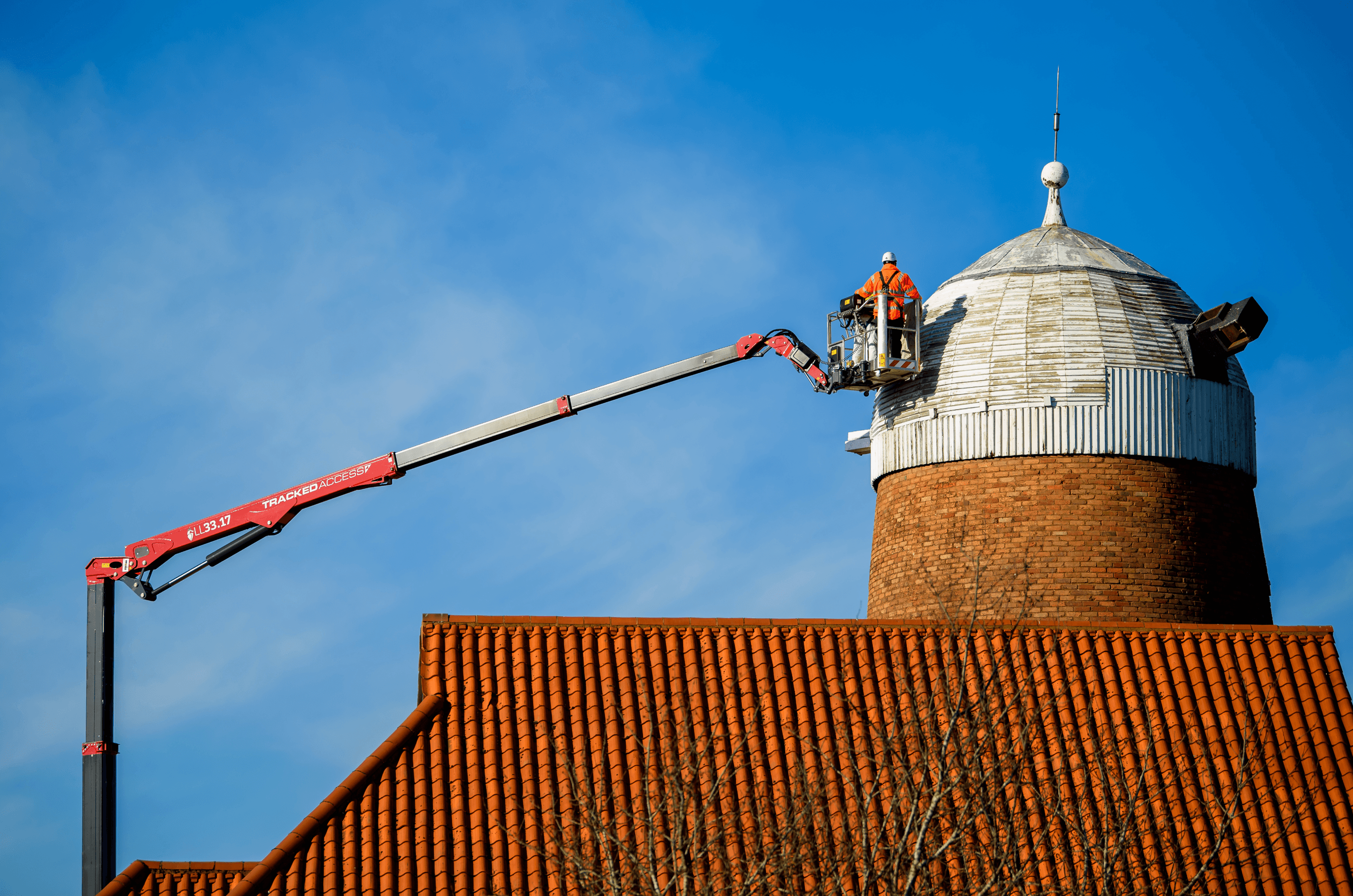
Working at height is a routine part of many jobs, from construction and maintenance to cleaning, inspections, and installations. While lifting equipment such as spider lifts makes these tasks safer and more efficient, they also introduce serious risks if not used correctly. This is why proper training is essential for anyone working at height.
Safety training is not just about ticking a box. It gives operators the skills, awareness, and confidence needed to work safely, protect others on site, and use equipment as it was designed. Without the right training, even experienced workers can be exposed to avoidable hazards. We explain why training matters, what risks it helps prevent, and how Tracked Access supports businesses across London with accredited IPAF and PASMA training.
The Risks of Working at Height
Working at height remains one of the leading causes of workplace injuries. Falls from platforms, unstable equipment, incorrect use of controls, loss of power, and poor site setup all contribute to accidents that could have been avoided. Even with modern lifting equipment, risks still exist. Without proper safety training, operators may misuse the equipment, exceed limits, or fail to recognise hazards. Training helps reduce these risks by ensuring everyone involved understands their responsibilities and how to work safely at all times.
Why Training is Essential for Lifting Equipment Operators
Lifting equipment is powerful and highly specialised. Whether someone is operating a spider lift, working from a platform, or supervising a site, they need to understand how the equipment behaves in real working conditions. Proper training covers key areas such as:
- Safe setup and positioning
- Understanding load limits and reach
- Using controls correctly
- Identifying ground and environmental risks
- Emergency procedures
Without this knowledge, even small mistakes can lead to serious problems. Safety training ensures operators are not relying on guesswork or habits, but on clear, approved procedures.
Training Protects More than Just the Operator
It is not only the person working at height who is at risk. Poorly operated lifting equipment can endanger colleagues, members of the public, and nearby property. Incorrect setup or movement can cause instability, dropped tools, or uncontrolled motion. In busy environments, this risk increases. Training teaches operators how to assess their surroundings, manage exclusion zones, and work responsibly. This wider awareness is a key part of working at height safely and professionally.
Reducing Accidents and Downtime
Accidents cause more than injuries. They often lead to downtime, investigations, damaged equipment, and lost productivity. In some cases, work may stop entirely until issues are resolved. This is costly, not only for the business and staff, but also for the amount that’s being paid on hiring the equipment, as downtime results in wasted time.
Proper safety training helps prevent these disruptions. Trained operators are less likely to damage equipment, make unsafe decisions, or require emergency interventions. This leads to smoother projects and fewer delays. For businesses relying on their hired spider lift, this reliability is essential.
Meeting Legal and Site Requirements
Working at height comes with legal responsibilities. Employers must ensure anyone using lifting equipment is competent and properly trained. Many sites also require proof of recognised training before allowing access. IPAF and PASMA training are widely accepted across the industry.
Holding these qualifications shows that operators understand best practice and can work safely with access equipment. Providing staff with access to these training courses helps businesses remain compliant and avoid issues that could arise from untrained or uncertified staff.
Why Refresher Training Matters
Even experienced operators benefit from refresher training. Equipment changes, site conditions vary, and habits can develop over time. Refresher courses help reinforce best practice and update operators on any changes in guidance or equipment design. They also provide an opportunity to correct unsafe habits before they lead to incidents. Ongoing safety training shows a commitment to professionalism and continuous improvement.
Training is Especially Important in Busy Environments
Working in busy environments presents additional challenges. Limited space, uneven ground, nearby buildings, and public access all increase risk. Training is especially important for those working in these space-restricted areas. Operators must understand how to work safely in confined areas while maintaining stability and control. Proper training ensures equipment is used efficiently without compromising safety in complex environments.
How Tracked Access Supports Safe Working at Height
At Tracked Access, we understand that training is a vital part of safe access work. Alongside our access equipment rental services, we also offer accredited IPAF and PASMA training for businesses across London. Our training programmes are designed to give operators the knowledge and confidence needed to work safely at height. Courses cover both theory and practical use, helping individuals understand real-world situations and how to handle them properly. Whether a business is new to access equipment or needs refresher training, we can provide professional courses that are widely recognised.
Supporting a Strong Safety Culture
Safety training plays a big role in building a positive safety culture. When staff are trained properly, safety becomes part of everyday work rather than an afterthought. Individuals are more likely to speak up about risks, follow procedures, and look out for one another. This mindset reduces incidents and improves overall site standards. Employers who invest in training show they value their people and take working at height seriously.
Help Protect your Staff when Working at Height
Working at height always carries risk, but proper training makes a measurable difference. From reducing accidents and downtime to improving confidence and compliance, safety training is essential for anyone operating or working on lifting equipment.
With accredited IPAF and PASMA training, we help businesses work safely, professionally, and with confidence. Combined with our tracked spider lift rental services, we offer a complete solution for safe access work.
If your staff works at height or uses access equipment, investing in proper training is one of the most important steps you can take. Contact us today by calling 01908 756057 to find out more about their training programmes and how they can support your next project safely and efficiently.

Related Posts